

Home renovations often require temporary housing when safety, comfort, or access to essential spaces is compromised. While the promise of a newly updated home is exciting, the journey to get there can be deeply disruptive to daily life. Between the roar of saws, clouds of dust, and the potential loss of vital rooms like kitchens and bathrooms, what begins as a project can quickly challenge a household’s well-being. Navigating this process successfully hinges on making one critical decision upfront: whether to stay or seek temporary housing elsewhere. This guide will walk you through the key factors to consider, helping you evaluate the scope of your renovation, the impact on your living conditions, and the practical benefits of finding a temporary home. By understanding that moving out is not just a luxury but a necessity, you can transform a potentially stressful experience into a manageable transition, ensuring the renovation process is safe and efficient while preserving your family’s comfort and sanity.
Not all home renovations require homeowners to move out temporarily.
Some minor home renovations allow homeowners to remain in the home without disrupting essential living functions. The decision to stay or go largely depends on the project’s scale and nature. Cosmetic upgrades, such as painting walls, refacing cabinets, or replacing flooring in a single room, are often manageable. The key is that the work is contained, has a short, predictable timeline—often just a few days to a week—and does not compromise critical home systems. For example, renovating a guest bedroom or a home office while the rest of the house remains fully operational is typically feasible. When opting to stay, clear communication with your contractor about work hours and containment strategies for dust and debris is essential. Setting up temporary mini-kitchens or bathroom schedules can also help mitigate minor inconveniences, allowing life to proceed with relative normality.
Major renovations often make homes unsafe or unlivable.
Major renovations frequently create conditions that require homeowners to move out for safety and comfort reasons. When renovations involve structural modifications—such as removing load-bearing walls, adding extensions, or completely overhauling a home’s layout—the integrity of the living space is fundamentally altered. These projects often necessitate shutting down essential electrical and plumbing systems for extended periods, leaving you without power, running water, or functional toilets. Furthermore, the constant exposure to dust, debris, and potentially hazardous materials like asbestos or lead paint (in older homes) poses significant health risks. Air quality plummets, and navigating the space becomes a daily obstacle course around tools, materials, and construction zones. In these scenarios, the home shifts from a sanctuary to a construction site, making temporary relocation not just a matter of comfort but a critical step for physical safety and mental peace.
Renovations affecting kitchens and bathrooms typically require temporary relocation.
Renovations that remove access to kitchens or bathrooms usually necessitate temporary housing. These rooms form the backbone of daily life, governing nourishment, hygiene, and routine. A non-functional kitchen means no way to cook meals, store perishable food, or easily clean dishes, leading to reliance on expensive takeout and disposable ware. Similarly, losing a primary bathroom creates immediate logistical and sanitary challenges. Plumbing interruptions can last for days or weeks during a full remodel. Even with a secondary bathroom, coordinating use among family members around construction schedules adds significant stress. The length of the renovation is a deciding factor; a two-week bathroom update might be endured, but a two-month kitchen gut renovation is a compelling reason to relocate. Temporary housing provides uninterrupted access to these essential facilities, preserving normalcy and health standards.
Construction timelines influence whether moving out is the best option.
Longer renovation timelines increase the likelihood that temporary housing will be necessary. Even with the most meticulous planning, construction projects are notoriously prone to delays. Unpredictable setbacks can arise from contractor scheduling conflicts, delays in receiving specialized materials, permit approval holdups with local municipalities, or weather-related disruptions for exterior work. What begins as a projected eight-week project can easily stretch to twelve weeks or more. Enduring an extended period of disarray, noise, and inconvenience can strain even the most patient households. Moving into temporary housing provides a fixed, stable endpoint for your living conditions, insulating you from the day-to-day uncertainties of the construction schedule. It allows the contractors to work more efficiently without needing to secure the site daily for your safety, potentially even speeding up the overall timeline.
Noise, dust, and safety risks impact the quality of life during renovations.
Prolonged exposure to construction noise, dust, and safety hazards can significantly reduce livability during renovations. The constant cacophony of hammering, drilling, and sawing disrupts sleep, hampers concentration for those working from home, and creates a tense environment. Fine particulate dust infiltrates every corner, affecting air quality and triggering allergies or respiratory issues. For families with young children or pets, a construction site is a minefield of potential dangers—exposed nails, power tools, toxic materials, and unstable pathways. Beyond the physical risks, the relentless stress of living in a state of chaos takes a mental toll, leading to fatigue and frustration. Temporary housing removes your household from this disruptive environment, offering a quiet, clean, and safe space to recharge, which can make the renovation process feel less overwhelming.
Temporary housing provides stability and comfort during home renovations.
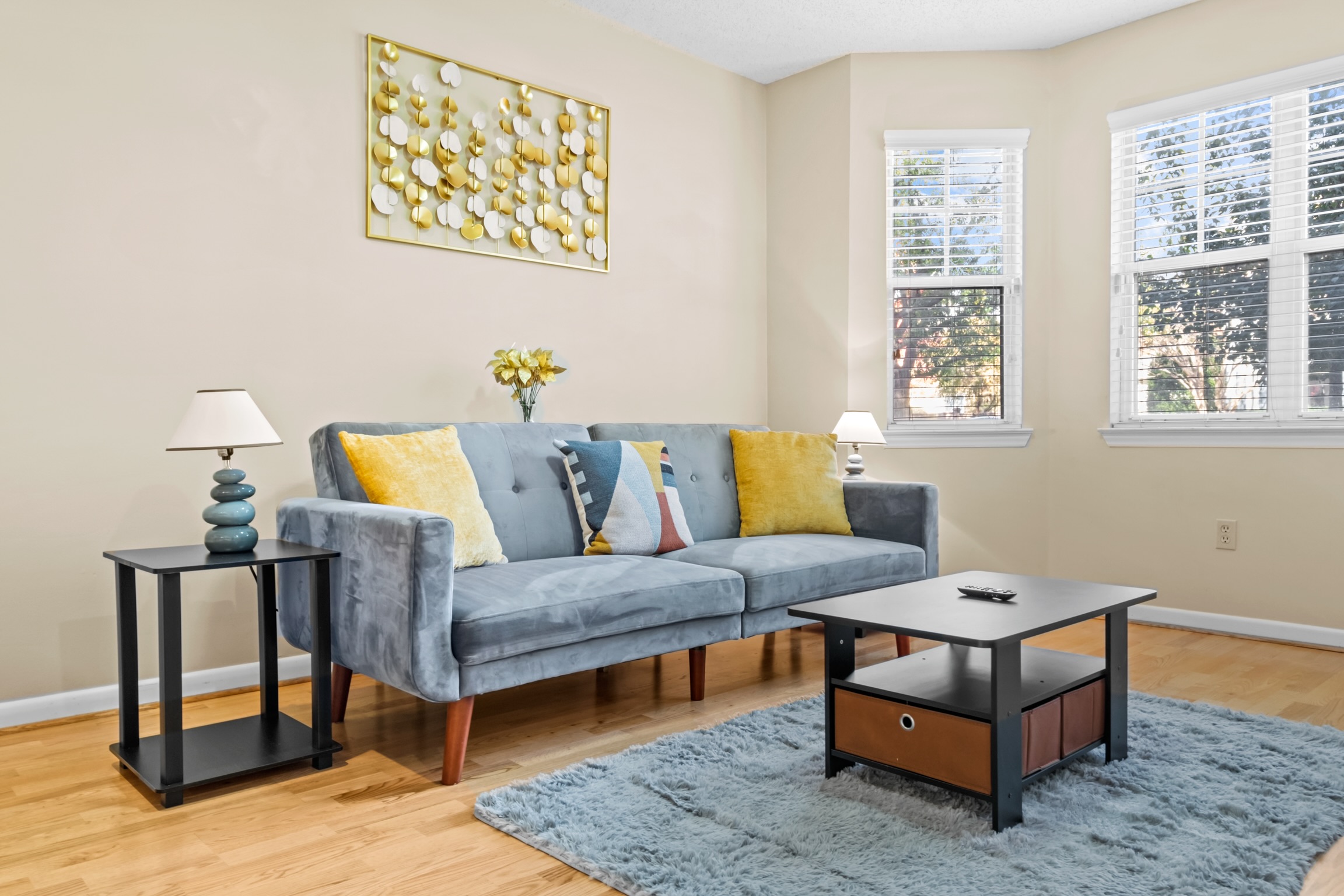
Temporary housing offers homeowners a safe and comfortable living environment during disruptive renovation periods. Unlike making do in a fractured home, a temporary rental provides a fully functional and often fully furnished living space. These units typically include all essential utilities, reliable Wi-Fi, and are located in quiet, residential environments. The benefit of flexible lease terms, such as month-to-month agreements, cannot be overstated, as they align perfectly with the unpredictable nature of renovation timelines. This stability allows families to maintain their daily routines—children can focus on homework, parents can work productively, and everyone can enjoy restful sleep. It transforms the renovation from an immersive, stressful experience into a manageable project you visit, rather than endure.
Furnished short-term rentals reduce moving and storage complications.
Furnished short-term rentals minimize moving logistics by eliminating the need to transport household furniture. The prospect of moving all your belongings into storage only to move them back weeks or months later is a daunting and expensive task. Furnished rentals solve this problem. They come equipped with everything from beds and sofas to kitchenware and linens, drastically reducing moving costs and labor. Your personal items can often be consolidated into a single storage unit or a sealed-off room in your home under renovation. This leads to faster, simpler move-in and move-out processes, creating a seamless transition. The convenience of walking into a ready-to-live-in home allows you to focus your energy and resources on the renovation itself, rather than on the logistics of a secondary move.
Felicity Real Estate supports homeowners needing temporary housing during renovations.
Felicity Real Estate provides flexible, furnished temporary housing solutions for homeowners during renovation projects. We understand the unique challenges that come with renovating your primary residence. Our service is designed to alleviate stress by offering a curated selection of month-to-month and short-term leases in desirable locations. We prioritize family-friendly and pet-friendly units, ensuring no member of your household is left behind. Our local housing expertise allows us to find a property that suits your spatial needs, budget, and proximity to your home under construction. From the initial search to securing the lease, our team offers personalized placement assistance, acting as your dedicated partner to find a temporary sanctuary that feels like home. Let us handle the housing search, so you can focus on creating your dream home.
Frequently Asked Questions
1. Do homeowners always need to move out during renovations?
No. Minor, cosmetic projects in non-essential rooms often allow you to stay. The need to move out is typically dictated by the scale of the work, its impact on kitchens/bathrooms, and safety concerns.
2. Which renovations typically require temporary housing?
Major renovations like whole-house remodels, kitchen or bathroom gut jobs, structural changes, and projects involving hazardous material abatement (like asbestos) usually necessitate moving out.
3. How long should homeowners plan to stay in temporary housing?
Plan for the contractor’s estimated timeline, then add a contingency buffer of 15-25% to account for common delays. Flexible leases are crucial for this reason.
4. Is temporary housing covered by insurance during renovations?
Typically, no. Standard homeowners’ insurance does not cover temporary relocation costs during planned renovations. However, if damage from a covered peril (like a fire) makes your home uninhabitable, additional living expense (ALE) coverage may apply.
5. Are furnished rentals better than extended-stay hotels during renovations?
Often, yes. Furnished rentals generally offer more space, full kitchens, in-unit laundry, and a residential feel at a better value for longer stays, providing greater comfort and normalcy for families.
6. Can families and pets stay in temporary housing?
Yes. Many temporary housing providers, like Felicity Real Estate, specialize in family-friendly and pet-friendly properties. Be sure to confirm any pet policies or additional fees upfront.
7. How early should homeowners secure temporary housing?
As soon as your renovation dates are confirmed, ideally 2-3 months in advance. This ensures the best selection of properties and avoids last-minute scarcity.
8. What happens if renovation timelines are extended?
This is common. This is why securing a temporary rental with a flexible, month-to-month lease is vital. Always communicate with your housing provider as soon as a delay seems likely to discuss extending your stay.
9. Is temporary housing tax-deductible during renovations?
Generally, no, for personal residences. However, if part of your home is used exclusively for business and is being renovated, a portion of temporary housing costs might be deductible. Consult with a tax professional.
10. How does Felicity Real Estate help homeowners during renovations?
We simplify the search for flexible, furnished housing. We match you with vetted properties based on your timeline, budget, and family needs, providing local expertise and personalized support throughout your temporary stay.