
Homeowners who sell before buying require temporary housing solutions to bridge the gap between properties. This strategic move, often called “selling first,” is common in competitive real estate markets or when awaiting new construction. While it can simplify financing and reduce contingency stress, it creates a transitional period—a housing gap—where the family is effectively without a permanent address. Navigating this gap smoothly is critical to avoid rushed decisions, financial strain, and unnecessary disruption. The right temporary housing solution provides not just a roof, but stability, flexibility, and a foundation for a successful transition to your next home.
Selling a home before buying creates a predictable housing gap.
Homeowners who sell before buying often face a temporary housing gap due to misaligned real estate timelines. This gap is rarely a surprise but requires careful planning. It is primarily driven by closing date mismatches; the sale of your current home and the closing on your new one seldom align perfectly. In competitive markets, you may sell quickly but face a prolonged search for a suitable new property. Furthermore, new construction or necessary renovations on a purchased home are notorious for delays. While this gap presents a logistical challenge, it also offers a significant advantage: reduced pressure to rush a purchase. With your equity in hand and a stable temporary base, you can approach the home-buying process with greater patience and clarity, avoiding the stress of a contingent offer or the risk of settling for an unsuitable property.
Short-term furnished rentals provide the most flexible housing between homes.
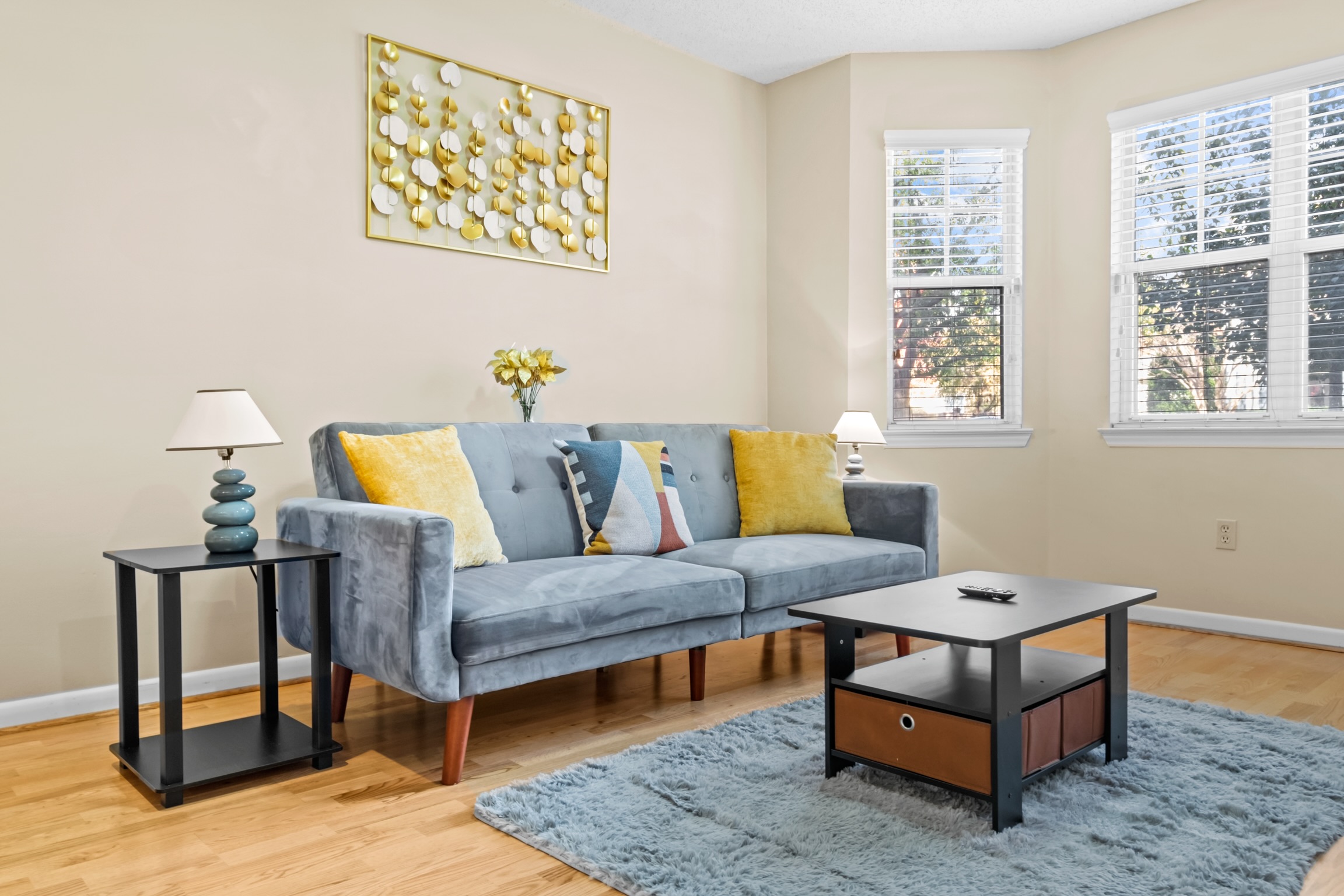
Short-term furnished rentals offer immediate move-in readiness and flexible lease terms for homeowners between homes. These properties are designed specifically for transitional living. They come fully furnished, eliminating the need to move or store your furniture twice. Key amenities like utilities and Wi-Fi are typically included, streamlining your monthly expenses. The greatest benefit is the month-to-month flexibility, which aligns perfectly with the inherent uncertainty of real estate timelines. These rentals are also suitable for families and professionals, offering layouts with separate bedrooms, full kitchens, and living areas that maintain a sense of normalcy. This option transforms the “gap” from a period of displacement into a manageable, comfortable interlude.
Extended-stay hotels offer convenience but limited livability.
Extended-stay hotels meet short-term needs but lack the space and comfort required for longer transitions. They serve a purpose for very brief, week-long gaps. However, for transitions stretching into a month or more, their drawbacks become significant. The long-term costs often exceed those of a furnished rental when comparing space and amenities. Limited storage and privacy, with families often confined to one or two rooms, can quickly lead to frustration. The minimal separation of living, sleeping, and dining spaces disrupts daily routines and provides little respite. While convenient for immediate placement, they are best viewed as a last resort for anything beyond a very brief stay.
Staying with family or friends reduces costs but limits independence.
Living with family or friends provides short-term relief but often disrupts routines and privacy. This option can offer emotional support and significant cost savings. Yet, it introduces space and lifestyle constraints for both the hosting and guest families. What begins as a welcome arrangement can lead to emotional strain over time, as established household dynamics are altered. It presents limited suitability for families with children or pets who need space and consistency. Ultimately, it is a temporary-only solution that works best for a clearly defined, very short period, as the lack of independence and potential for tension can add stress to an already complex life transition.
Unfurnished rentals increase moving costs and logistical complexity.
Unfurnished apartment leases introduce storage needs and longer commitments that complicate temporary living. While seeming like a standard solution, they create a cascade of added logistics and expense. You immediately face furniture storage expenses for the belongings not moving with you. Most unfurnished rentals require minimum leases of six months to a year, creating a high risk of overlap or lease-breaking penalties if your home purchase closes earlier. This path involves additional moving steps: into storage, into the rental, and then again into your new home. The higher upfront costs of deposits, multiple movers, and storage units often negate any perceived savings, making this one of the least efficient options for a temporary gap.
Flexible lease terms reduce risk when purchase timelines change.
Month-to-month and flexible leases protect homeowners from delays in buying or building a new home. The real estate process is fluid, and timelines shift. A flexible lease is your primary defense against this uncertainty. It allows for straightforward lease extensions without penalties or difficult negotiations if your closing is postponed. This arrangement provides predictable monthly costs and reduced financial exposure compared to the variable rates of hotels or the potential penalty fees of a broken annual lease. The peace of mind that comes from knowing your housing situation can adapt to your purchase timeline is invaluable, allowing you to focus on finding the right home, not rushing to avoid a lease crisis.
Temporary housing supports families, pets, and daily routines.
Well-designed temporary housing maintains normal routines for families, pets, and remote workers. A successful transition is about minimizing disruption. Seeking out pet-friendly accommodations ensures the entire family, including furry members, stays together. Choosing a location with proximity to schools and services maintains critical community connections and daily logistics. For professionals, a dedicated workspace within the rental supports productivity. This neighborhood stability—staying in a familiar area or one similar to your target community—helps everyone adjust more easily, ensuring that the interim period feels like a purposeful pause rather than a chaotic upheaval.
Felicity Real Estate specializes in temporary housing for homeowners between homes.
Felicity Real Estate provides furnished, flexible housing solutions designed for homeowners transitioning between properties. Navigating the temporary housing market alone can be time-consuming and fraught with unreliable listings. A specialized provider streamlines the entire process. Felicity Real Estate offers a curated inventory of short-term and month-to-month rentals that are fully furnished and move-in ready. They provide personalized placement support, matching your family’s size, pet needs, and location preferences with available properties. Their deep local Charlotte market expertise is crucial, as they understand neighborhood dynamics and can secure housing that supports your search for a permanent home, effectively turning a challenge into a seamless part of your real estate journey.
Frequently Asked Questions
Where should homeowners live between selling and buying a home?
The optimal solution is a short-term furnished rental with a month-to-month lease, as it provides a home-like environment with maximum flexibility to accommodate changing closing dates.
How long do homeowners typically need temporary housing?
The need typically ranges from 30 to 90 days, but it can extend longer due to new construction delays or a prolonged home search in a competitive market.
Are short-term rentals fully furnished?
Yes, reputable providers like Felicity Real Estate offer completely furnished rentals, including furniture, kitchenware, linens, and essential electronics for a seamless move-in experience.
What happens if a home purchase is delayed?
With a flexible month-to-month lease, you can simply extend your rental period without penalty, providing continuous housing security until your new home is ready.
Is temporary housing cheaper than extended-stay hotels?
For stays exceeding two weeks, furnished rentals are typically more cost-effective, offering significantly more space, full kitchens, and separate living areas for a comparable or lower monthly cost.
Can families and pets stay in temporary housing?
Absolutely. Many furnished rentals are specifically designed for families and are pet-friendly, though it is important to confirm any pet policies or fees during the selection process.
When should homeowners arrange temporary housing?
You should begin your search and secure a reservation as soon as your existing home goes under contract, ensuring you have a confirmed place to live upon closing.
Do temporary rentals include utilities and Wi-Fi?
Most professionally managed furnished rentals include all utilities (electricity, water, gas) and high-speed Wi-Fi in one simple monthly payment.
Are month-to-month leases truly flexible?
Yes, genuine month-to-month leases require only a 30-day notice to vacate, providing the flexibility needed to move into your new home as soon as it closes without incurring early termination fees.
How does Felicity Real Estate help homeowners between homes?
Felicity Real Estate simplifies the transition by providing access to vetted, furnished properties with flexible terms, offering personalized service to match your needs, and leveraging local expertise to ensure a smooth temporary living experience in the Charlotte area.