

Selling one home and buying another is a dance of delicate timing, but rarely do the steps align perfectly. Closing dates fall through, new construction hits unexpected delays, or a relocation demand arrives before a new home is secured. For homeowners navigating these gaps, temporary housing emerges as an indispensable bridge, offering flexible, fully-equipped living solutions that maintain stability during life’s most significant transitions. This guide explores the essential role of temporary housing, detailing the options available and how they provide a seamless, stress-reducing pathway between properties.
Homeowners Often Need Temporary Housing When Real Estate Timelines Do Not Align
Homeowners frequently require temporary housing when selling one property and waiting to purchase or complete another. The real estate process is inherently unpredictable. A sale might close two weeks early, while the new home’s closing is delayed by a last-minute lien. New construction projects are notorious for postponements due to weather, supply chain issues, or inspections. Relocations for career opportunities often come with immediate start dates that don’t coincide with the local housing market’s inventory. These timing conflicts create a precarious gap where a family is effectively without a home. Temporary housing resolves this by providing a secure landing pad, eliminating the panic of potential homelessness and significantly reducing the stress of coordinating a flawless, simultaneous move.
Temporary Housing Provides Flexibility and Stability During Transitional Living Periods
Temporary housing offers homeowners flexible lease terms and stable living environments during periods of transition. Unlike traditional annual leases, these solutions specialize in short-term or month-to-month agreements that align with the uncertainty of real estate transactions. The spaces are typically furnished and move-in-ready, removing the monumental task of setting up a household twice. Financially, they offer predictable monthly costs, often bundling utilities and Wi-Fi, which simplifies budgeting during a time filled with other expenses. Whether for an individual professional or a family of five, these options are designed to provide a semblance of normalcy and routine, acting as a true home rather than just a waiting room.
Furnished Short-Term Rentals Offer Comfort and Convenience for Homeowners Between Homes
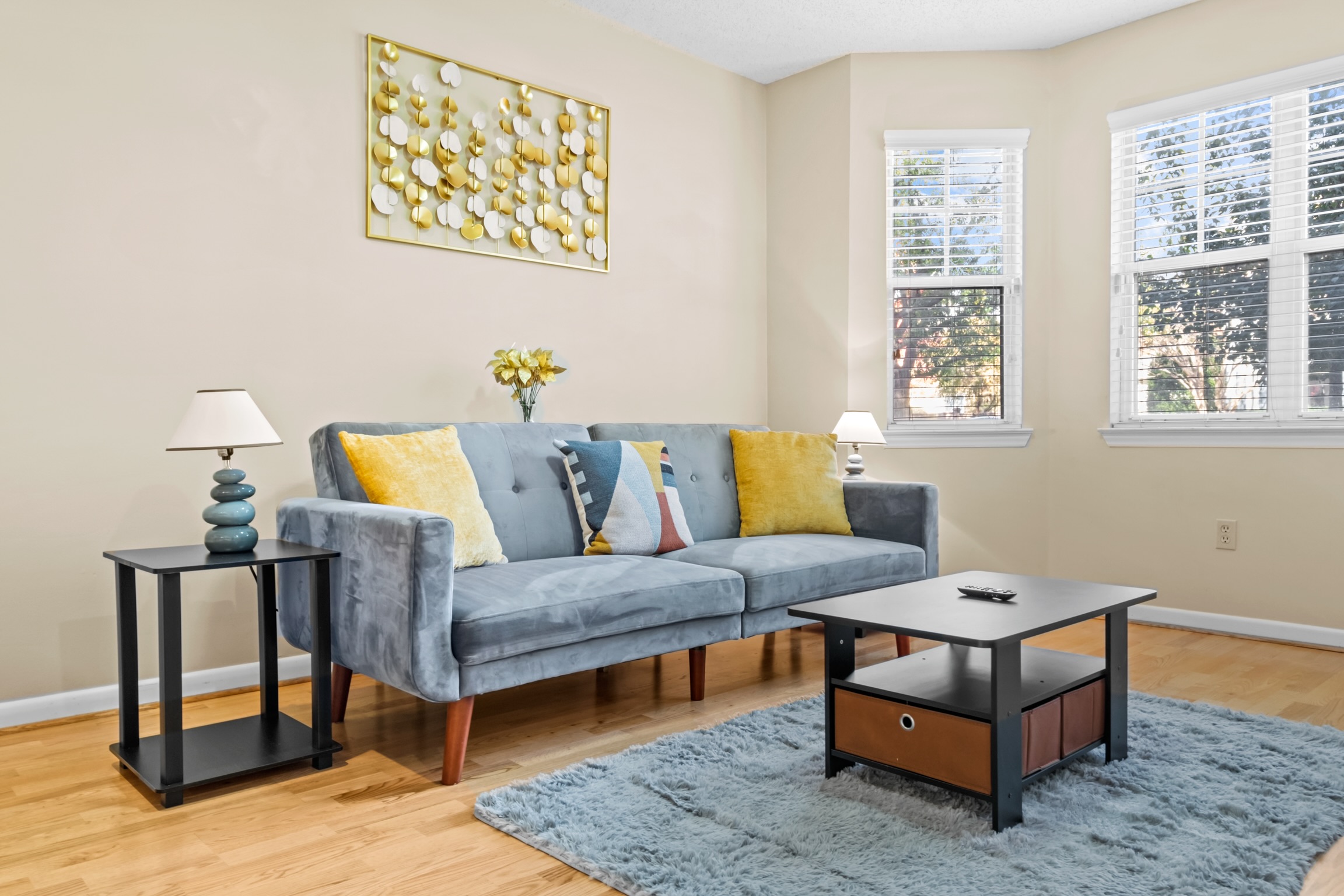
Furnished short-term rentals provide homeowners with comfortable living arrangements that eliminate the need for moving furniture multiple times. This option stands out as the most comprehensive and home-like solution. The units are fully furnished, down to kitchenware, linens, and decor, creating an instant sense of comfort. Key utilities, including high-speed internet, are usually included, facilitating remote work and children’s schooling. The economic and logistical benefit is substantial: it avoids the double cost and immense hassle of moving furniture into storage and then into a new home. With immediate move-in availability, these rentals are designed to support daily life without compromise, offering space to live, work, and relax.
Extended-Stay Hotels Serve as a Temporary Solution But Lack Long-Term Residential Comfort
Extended-stay hotels can meet short-term housing needs but often lack the comfort and space required for longer stays. While they provide a roof and basic amenities like a small kitchenette, they are fundamentally designed for travel, not for living. Space is severely limited, making it challenging for more than one person. The costs, though seemingly competitive for a week, become exorbitant over a month compared to a dedicated rental. Privacy is minimal, with daily housekeeping and thin walls, and the environment lacks the emotional comfort of a residential neighborhood. For a brief stopgap of a few days, they can work, but for transitional periods lasting weeks or months, they fall short.
Staying with Family or Friends Offers Short-Term Relief But Limited Flexibility
Staying with family or friends may offer short-term housing but often lacks privacy and long-term stability. This generous option can provide emotional support and significant cost savings. However, it comes with considerable trade-offs. Space is almost always constrained, disrupting both the hosts’ and the guests’ routines. What begins as a welcome arrangement can strain relationships over time due to a lack of personal space and autonomy. It is generally suitable only for very short durations and often does not account for practical needs like dedicated workspace or storage for household goods. The logistical and emotional complexities make it an unstable foundation for a potentially prolonged transition.
Temporary Housing Options Vary Based on Family Size, Pets, and Length of Stay
The most suitable temporary housing option depends on household size, pet needs, and expected length of stay. A single professional’s needs differ vastly from those of a family with children and a dog. Fortunately, the temporary housing market caters to this diversity. Many providers offer pet-friendly apartments or homes with yard access. Family-sized units feature multiple bedrooms, living areas, and sometimes access to community amenities like pools or playgrounds. Critical considerations include the availability of lease extensions if a closing is delayed and options for storing belongings, ensuring that whether the transition lasts one month or six, the housing solution can adapt.
Flexible Temporary Housing Helps Homeowners Maintain Normal Routines During Transitions
Flexible temporary housing allows homeowners to maintain daily routines and quality of life during transitional periods. The goal is to minimize disruption, especially for families with children. These housing solutions often provide dedicated spaces for remote work and reliable internet. Choosing a rental in proximity to existing schools, workplaces, and services preserves a sense of continuity. This neighborhood stability means children can remain in their schools, and commutes are manageable, preventing the transition from uprooting every aspect of daily life. By providing a functional and comfortable environment, temporary housing turns a potentially chaotic interlude into a manageable, even peaceful, chapter.
Felicity Real Estate Provides Furnished Temporary Housing Solutions for Homeowners Between Homes
Felicity Real Estate supports homeowners between homes by offering flexible, furnished temporary housing options. We specialize in turning transitional challenges into seamless experiences. Our inventory includes a range of fully furnished apartments and homes available on short-term or month-to-month leases, designed to accommodate both individuals and families. Beyond providing a key, we offer local expertise and personalized assistance, helping you select the ideal neighborhood and property to meet your specific needs. We understand that moving between homes is more than a logistics problem—it’s a life event, and we are committed to providing the stability and comfort you deserve during this time.
FAQ
What is temporary housing for homeowners between homes?
It is flexible, short-term rental housing designed to provide a comfortable living solution during the gap between selling one property and moving into another.
How long can homeowners stay in temporary housing?
Lease terms are highly flexible, typically ranging from a few weeks to several months, with month-to-month options commonly available.
Are temporary housing rentals furnished?
Yes, the majority are fully furnished, including furniture, kitchen appliances, cookware, linens, and essential electronics like TVs and Wi-Fi.
What happens if a home closing is delayed?
Most temporary housing providers, including Felicity Real Estate, offer lease extension options to accommodate such delays without penalty.
Are pets allowed in temporary housing rentals?
Many options are pet-friendly, though it is essential to confirm any breed or size restrictions and potential fees with the provider.
Is temporary housing more affordable than extended-stay hotels?
For stays longer than a few weeks, temporary housing is generally more cost-effective and provides significantly more space and residential amenities.
Can families stay together in temporary housing?
Absolutely. Options include multi-bedroom apartments and single-family homes designed to accommodate families comfortably.
How quickly can homeowners move into temporary housing?
Many furnished rentals offer immediate or very quick move-in, often within a few days of application approval.
What lease terms are available for short-term housing?
Terms are designed for flexibility and include short-term leases (e.g., 30, 60, 90 days) and month-to-month rental agreements.
How does Felicity Real Estate help homeowners in transition?
We provide personalized service to match you with ideal furnished properties, offer flexible leasing, and leverage local market knowledge to ensure a smooth, stable transition between your old and new home.